
Stretching vs Mobility: Understanding the Difference
Many people use the terms stretching, flexibility, and mobility interchangeably. While they are closely related, they describe different aspects of how the body moves.
If your goal is to move with less stiffness, reduce pain, improve athletic performance, or simply feel more comfortable throughout the day, understanding this difference can help you train more effectively.
At QMETHOD, we believe mobility is not about moving further—it is about moving better.
What Is Flexibility?
Flexibility refers to the ability of a muscle or group of muscles to lengthen.
It describes the amount of passive movement available around a joint.
For example:
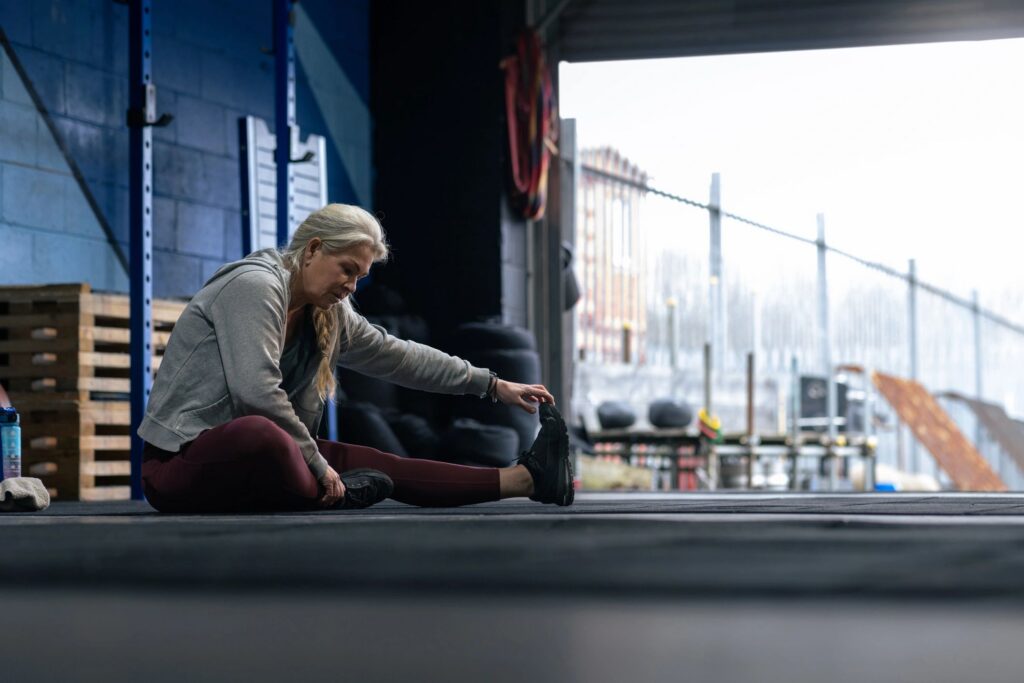
- Touching your toes while relaxing into the stretch.
- Stretching your quadriceps by pulling your foot towards your buttock.
- Sitting in a hamstring stretch.
In these situations, an external force—such as gravity, your hands, or a partner—is helping move your body into position.
Flexibility allows tissues to tolerate greater length, but it does not necessarily mean you can actively control that position.
What Is Mobility?
Mobility is your ability to actively move and control a joint throughout its available range of motion.
Mobility combines several qualities, including:
- Flexibility
- Strength
- Stability
- Coordination
- Balance
- Nervous system control
Rather than simply reaching a position, mobility is about having the strength and confidence to own that position.
Think of flexibility as having access to movement, while mobility is being able to use that movement effectively.
Flexibility Without Control
Imagine someone who can perform the splits but struggles to balance on one leg or control a squat.
Although they have excellent flexibility, they may lack the strength and coordination required to stabilise their joints throughout movement.
This can increase the likelihood of compensation patterns or discomfort during more demanding activities.
A greater range of motion is not always beneficial if the body cannot control it.
Mobility Without Excessive Flexibility
Many elite athletes are not exceptionally flexible.
Instead, they possess outstanding mobility.
A weightlifter may not perform the splits, but they can move into a deep squat with excellent posture, stability, and strength.
A rock climber controls extreme joint positions through strength.
A martial artist produces powerful movements because mobility and stability work together.
The goal is not unlimited flexibility—it is usable movement.
Why Mobility Matters
Good mobility allows your body to distribute forces more efficiently.
Benefits include:
- Improved posture
- Better movement quality
- Greater joint control
- Enhanced balance
- More efficient lifting mechanics
- Improved athletic performance
- Reduced compensation patterns
- Greater confidence during movement
Mobility also allows the nervous system to feel safe in a wider variety of positions, which can reduce unnecessary protective muscle tension.
Why Stretching Alone Isn’t Enough
Stretching certainly has value.
It may:
- Reduce feelings of stiffness
- Improve short-term flexibility
- Promote relaxation
- Increase body awareness
However, if stretching is not followed by active movement and strengthening, the body often returns to its previous movement patterns.
Many people experience temporary relief after stretching because they improve tolerance to a position rather than creating lasting changes in movement control.
To maintain improvements, the brain and nervous system need repeated practice using the new range during functional movement.
The Role of Strength in Mobility
Strength and mobility are partners, not opposites.
Developing strength throughout your available range of motion helps the nervous system recognise those positions as safe and stable.
Examples include:
- Deep goblet squats
- Split squats
- Single-leg balance exercises
- Controlled spinal rotations
- Loaded carries
- Turkish get-ups
- Controlled articular rotations (CARs)
These exercises teach the body to actively control movement rather than simply accessing greater flexibility.
Mobility Is a Skill
Just like learning to ride a bicycle or play a musical instrument, mobility improves through consistent practice.
Your nervous system continually learns from the movements you repeat.
The more frequently you practice controlled, high-quality movement, the more efficient those movement patterns become.
This aligns with one of the core QMETHOD principles:
Movement is a skill that can be developed through awareness, repetition, and practice.
Practical Ways to Improve Mobility
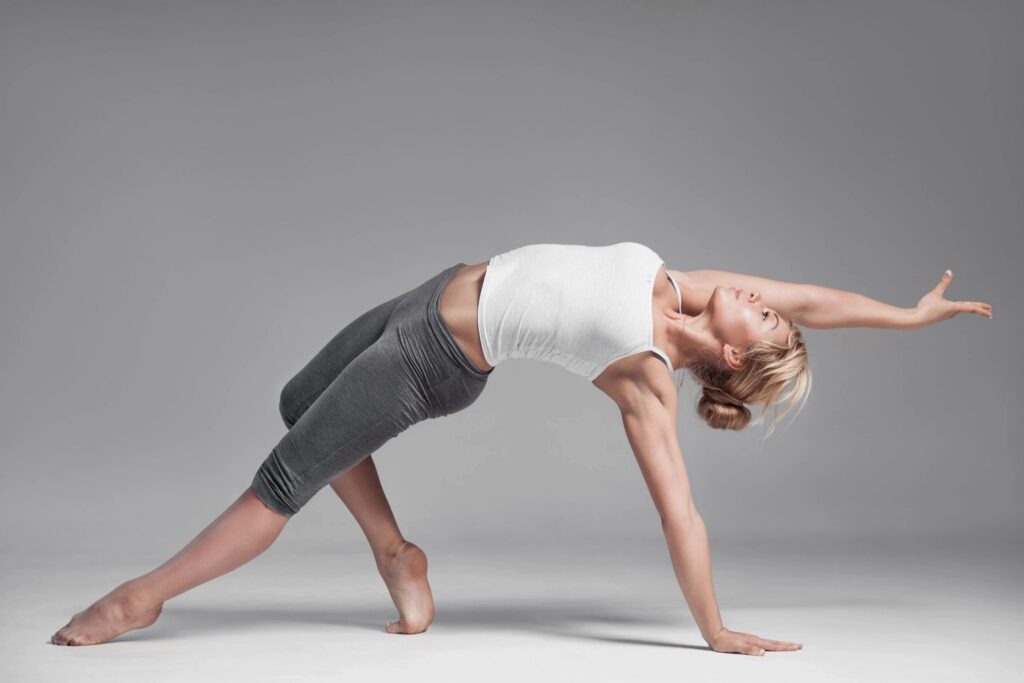
A balanced mobility routine should include:
1. Move Daily
Avoid remaining in one position for prolonged periods.
Regular movement helps maintain joint health and movement variability.
2. Strength Through Full Range
Perform exercises that strengthen muscles throughout their available movement.
Examples include:
- Deep squats
- Lunges
- Step-ups
- Controlled overhead reaches
3. Improve Joint Awareness
Slow, deliberate movements improve proprioception and coordination.
Focus on quality rather than quantity.
4. Breathe Well
Breathing influences muscle tone and rib cage mobility.
Diaphragmatic breathing can reduce unnecessary tension and improve movement efficiency.
5. Include Rotation
Daily life involves rotational movement.
Thoracic spine rotations, walking, reaching, and twisting all contribute to healthy movement variability.
Common Mobility Myths
Myth 1: Stretching fixes everything.
Stretching is only one component of healthy movement.
Myth 2: More flexibility always means better movement.
Control is often more important than range alone.
Myth 3: Mobility is only for athletes.
Everyone benefits from moving well, regardless of age or activity level.
Myth 4: Pain always means you need to stretch.
Stiffness and discomfort can result from many factors, including stress, fatigue, reduced movement variability, breathing patterns, or nervous system sensitivity.
The QMETHOD Perspective
At QMETHOD, we view mobility as an integrated process rather than an isolated exercise.
Long-term movement quality develops through:
- Improving awareness
- Restoring movement options
- Building strength
- Integrating breathing
- Supporting nervous system regulation
- Practicing consistently
Rather than chasing greater flexibility, we help clients develop movement they can trust in everyday life.
In Conclusion…..
Flexibility allows your body to move into a position.
Mobility allows you to control that position with strength, confidence, and efficiency.
While stretching can be a valuable part of your routine, lasting improvements come from combining flexibility with strength, coordination, breathing, and consistent movement practice.
The goal is not simply to move further—it is to move with greater purpose, resilience, and control. Qmethod yoga is a series of movement exercises carefully designed to re-align and re-strengthen the muscles and fascia within your body to remove joint and muscular pain caused by biomechanical imbalance, and to increase your movement ability and overall physical well-being. The physical poses are modified to reflect the functional movements that are used in everyday life, enabling you to directly apply the strengths and benefits developed during the class into your normal day.
At QMETHOD, we believe better movement creates a stronger, more adaptable body capable of meeting the demands of work, sport, and everyday life.
Ready to improve the way your body moves?
Book a QMETHOD Movement Assessment to discover how mobility, strength, breathing, and movement control can work together to help you move better, feel better, and live better.
Alternatively, check out the Qmethod Yoga Libraries available in our Membership section