

INTRODUCTION
Many people believe posture means sitting perfectly straight at all times.
But modern movement science suggests posture is far more dynamic.
Good posture is not a single fixed position.
It is the body’s ability to:
- Adapt efficiently
- Distribute load well
- Breathe comfortably
- Move without excessive tension
- Transition smoothly between positions
The healthiest posture is often the posture that changes regularly.
POSTURE IS ABOUT ENERGY EFFICIENCY
The body constantly works against gravity.
Efficient posture allows muscles and connective tissues to share load evenly.
When posture becomes inefficient, certain areas may become overloaded.
Common examples include:
- Forward head positioning
- Collapsed sitting posture
- Excessive lower back arching
- Rounded shoulders
- Weight shifting into one hip
These patterns often develop gradually through habits, stress, injury, or repetitive movement.
THERE IS NO PERFECT POSTURE
Many posture myths create unnecessary fear.
The body is adaptable.
Most people naturally move through many different positions throughout the day.
Problems usually arise when:
- Movement variability decreases
- Stress levels remain high
- Muscular guarding becomes chronic
- Recovery is inadequate
- One posture is maintained too long
The goal is not perfection.
The goal is adaptability.
BREATHING AND POSTURE
Breathing strongly influences posture.
When breathing becomes shallow or restricted:
- Neck tension often increases
- Rib mobility decreases
- Shoulder elevation may increase
- Core stabilization becomes less efficient
Improving breathing mechanics often improves posture automatically.
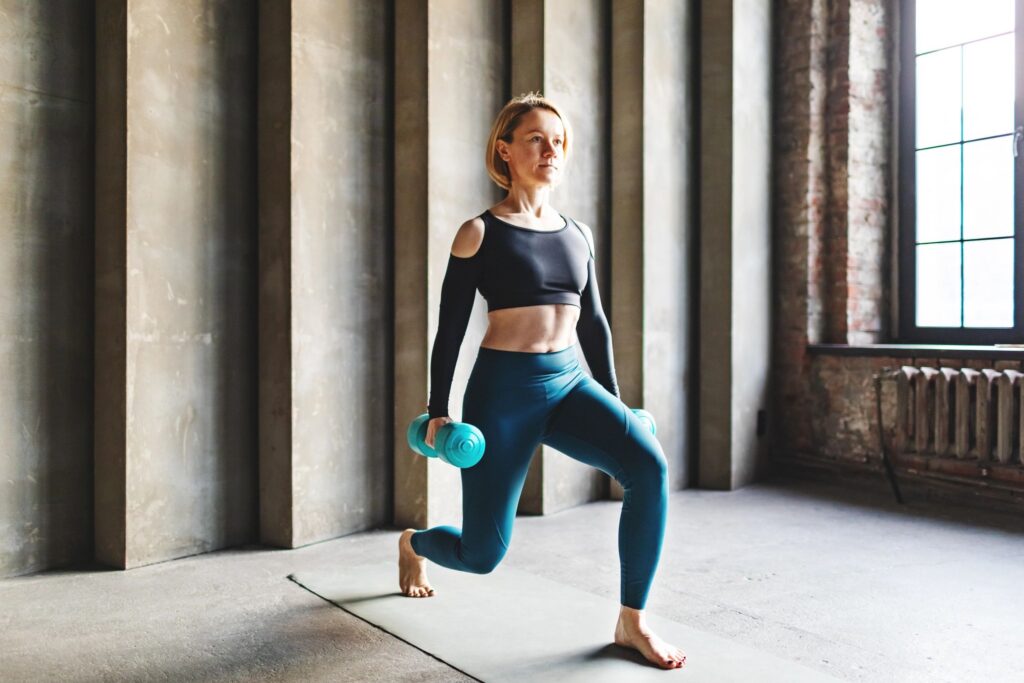
MOVEMENT MATTERS MORE THAN STATIC POSITIONING
Walking, reaching, rotating, squatting, and breathing all influence posture.
Healthy posture is built through:
- Regular movement
- Strength training
- Mobility work
- Breath awareness
- Stress management
- Movement variability
Static posture correction alone rarely creates lasting change.
PRACTICAL DAILY STRATEGIES
Helpful posture habits include:
- Taking movement breaks
- Walking frequently
- Improving workstation setup
- Practicing mobility drills
- Building strength through full range of motion
- Reducing unnecessary muscular tension

Small habits repeated consistently create long-term change.
CONCLUSION
Good posture is not rigid.
It is adaptable, efficient, relaxed, and responsive.
The goal is to create a body that moves well, breathes well, and distributes load efficiently throughout daily life.